Day and Night · Entry 02.1
Licensed two ways
Separate day and night power, and why a transmitter drops power or changes pattern at sunset.

A single frequency, two sets of rules
Most AM transmitters do not run the same way around the clock. They hold a daytime licence and a night-time licence, each specifying its own power level, antenna pattern, or both — and at sunset, the transmitter operator is legally required to switch between them. To a listener, the change is invisible. To the engineer managing the station, it is one of the day's most consequential events.
The reason lies in the ionosphere. During daylight hours the D layer absorbs medium-wave skywave almost completely, so a transmitter's practical coverage is limited to its ground wave — the signal that hugs the earth's surface, attenuated steadily by the terrain and soil beneath it. That absorption is a gift to regulators: it lets them license dozens of stations on the same frequency in the same country without serious mutual interference, because no signal is reaching far enough to cause trouble. A station can run high power in the day and mostly hurt nobody beyond its own service area.
| What | The consequence |
|---|---|
| Daytime | higher power, often omnidirectional; D layer suppresses skywave; coverage is ground-wave limited |
| Night-time | reduced power and/or directional pattern; skywave propagates freely; protected stations must be protected by nulls or power cuts |
| Transition moment | legally tied to local sunset at the transmitter site, not a fixed clock time; schedule is updated seasonally |
After sunset the D layer collapses. Skywave now bounces off the F layer and travels hundreds, sometimes thousands, of kilometres. Every transmitter on that frequency suddenly has reach it never had by day, and stations that were separated by geography are now competitors for the same ears — and the same licensed protection zones. The night-time rules exist to manage that suddenly crowded landscape.
What the licence actually changes
Regulatory authorities — the Federal Communications Commission in the United States, Ofcom in the United Kingdom, and their counterparts operating under frameworks set by the International Telecommunication Union — resolve this by granting stations two operating authorities under a single call sign. The daytime authority typically permits higher power and an omnidirectional or near-omnidirectional antenna pattern. The night-time authority constrains one or both.
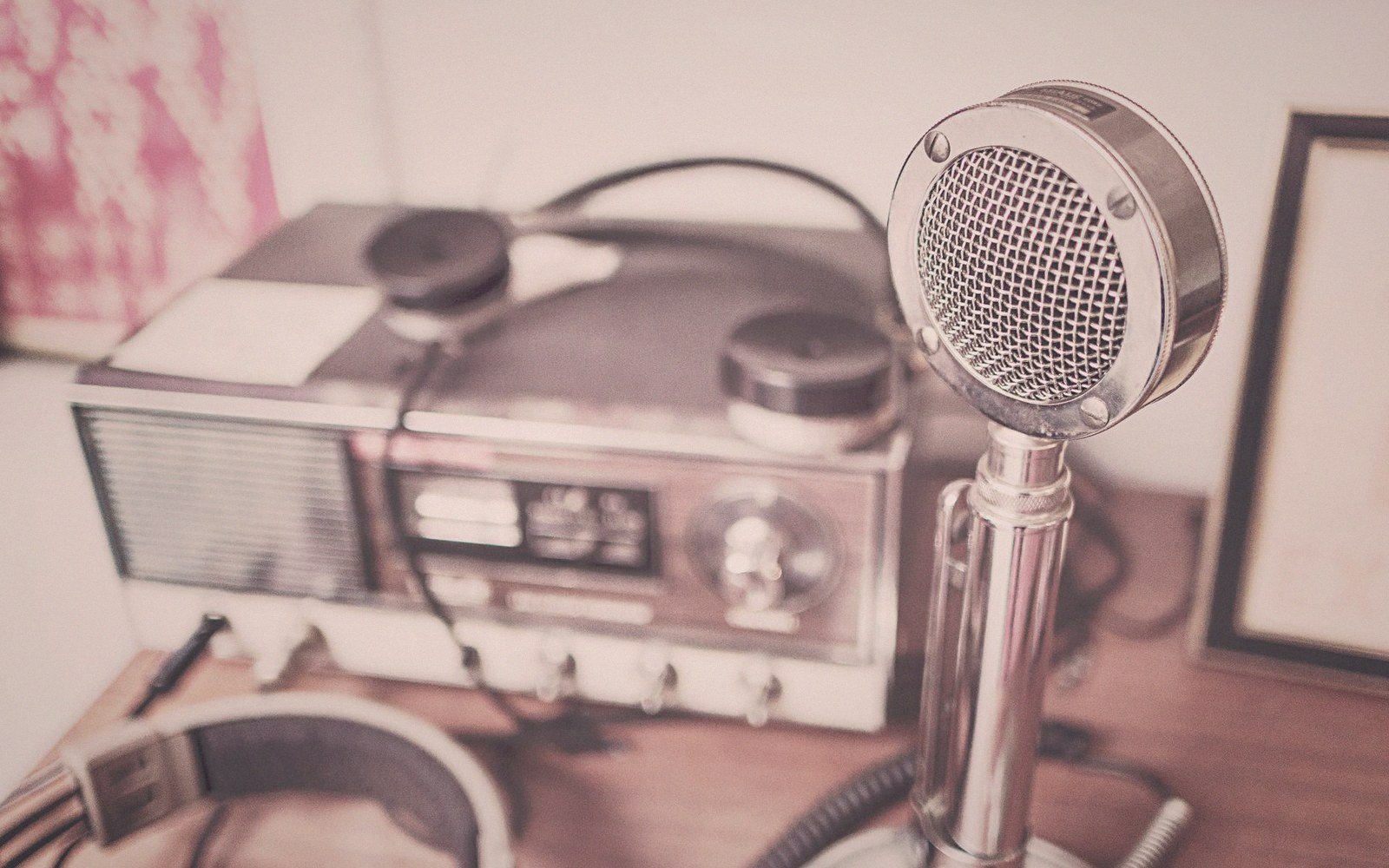
A station that runs fifty kilowatts in daylight may be limited to one kilowatt after sunset. Another may keep its full power but must activate a directional array — two or more towers fed at precisely calculated phases — that carves a null toward a protected station hundreds of kilometres away. Some stations face both restrictions simultaneously: reduced power and a directional pattern. A handful of frequencies are designated clear channels, reserved at night for a dominant station whose skywave is intended to serve a wide area; other stations on those frequencies must reduce drastically, or sign off entirely, to stay out of its way. WLW in Cincinnati, long licensed on 700 kHz, is the canonical American example of a clear-channel dominant.
The switching moment is not local midnight or a fixed clock time — it follows the actual geometry of the sun. Sunset time at the transmitter site is used, not the city the station serves, and because that time drifts through the year, stations maintain a schedule updated annually, sometimes weekly, showing the precise minute the changeover must occur. A few minutes of non-compliance in either direction — running daytime power into the night, or dropping to night-time restrictions before sunset actually arrives — can mean interference complaints or enforcement action.
| What | The consequence |
|---|---|
| FCC (United States) | issues separate daytime and night-time authorisations under one licence |
| ITU | sets the international framework within which national regulators allocate and protect frequencies |
| WLW Cincinnati | clear-channel dominant on 700 kHz, the textbook example of a station whose night skywave is a licensed service asset |
Making the switch
In practice the transition requires careful coordination. If a station is switching from omnidirectional to directional, the phasing and coupling networks must be retuned; it cannot simply throw a switch. Some stations change patterns by switching the same array between day and night modes, while others are built with separate antenna systems for day and night. Current injection levels in each tower must match the licensed phasor values within tight tolerances, which is why a proof of performance — a full field-strength measurement survey — is required whenever the night pattern is first commissioned and again after any significant change to the system.
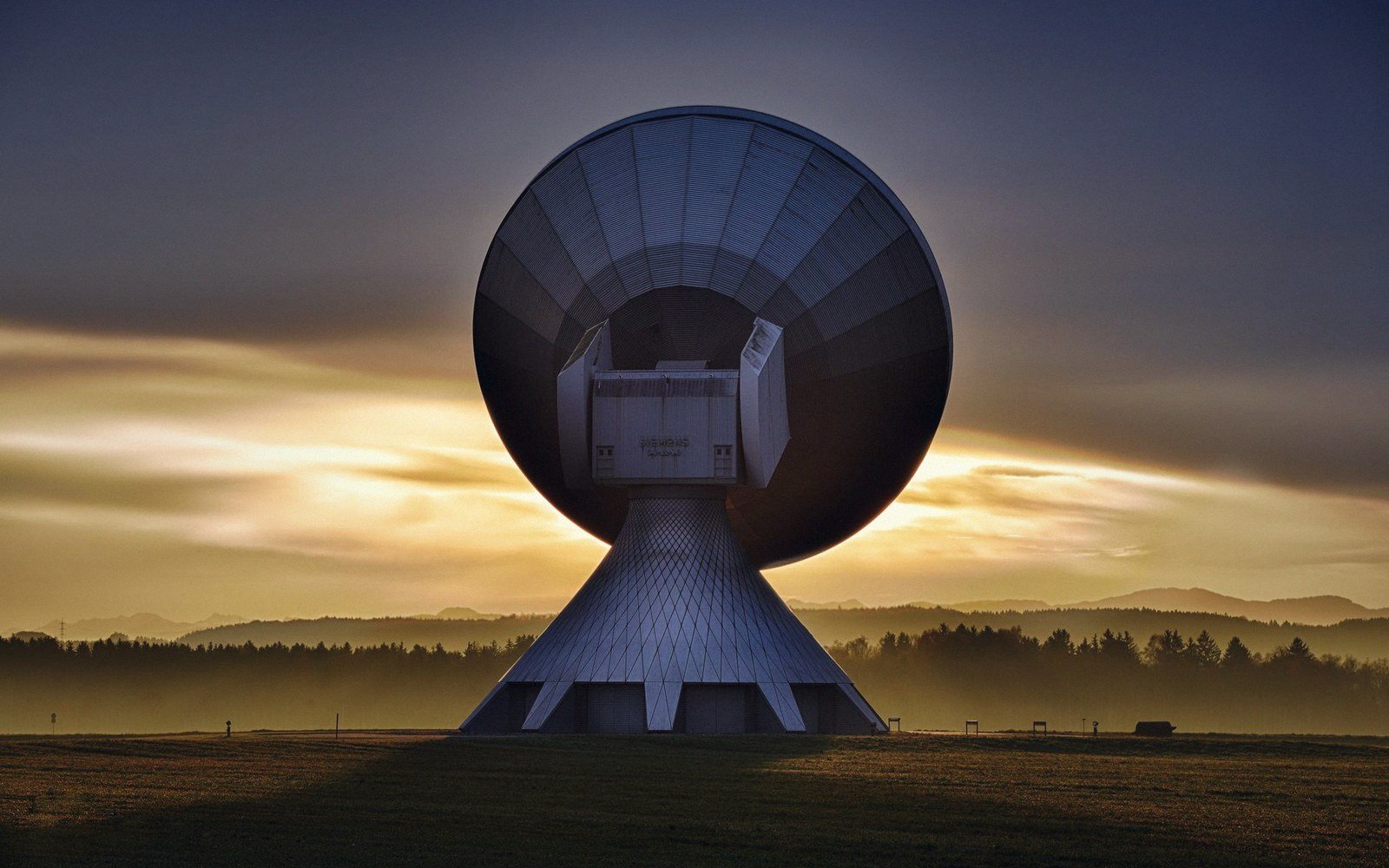
The engineering task is not glamorous. It involves monitoring current ratios, checking phase angles, and logging everything against the licence. But the logic behind it is elegant: the same physics that makes medium wave propagate so differently by day and by night is also what makes a two-licence system necessary. The ionosphere changes the rules at sunset, and the licence has to change with it.